First aid tutorials
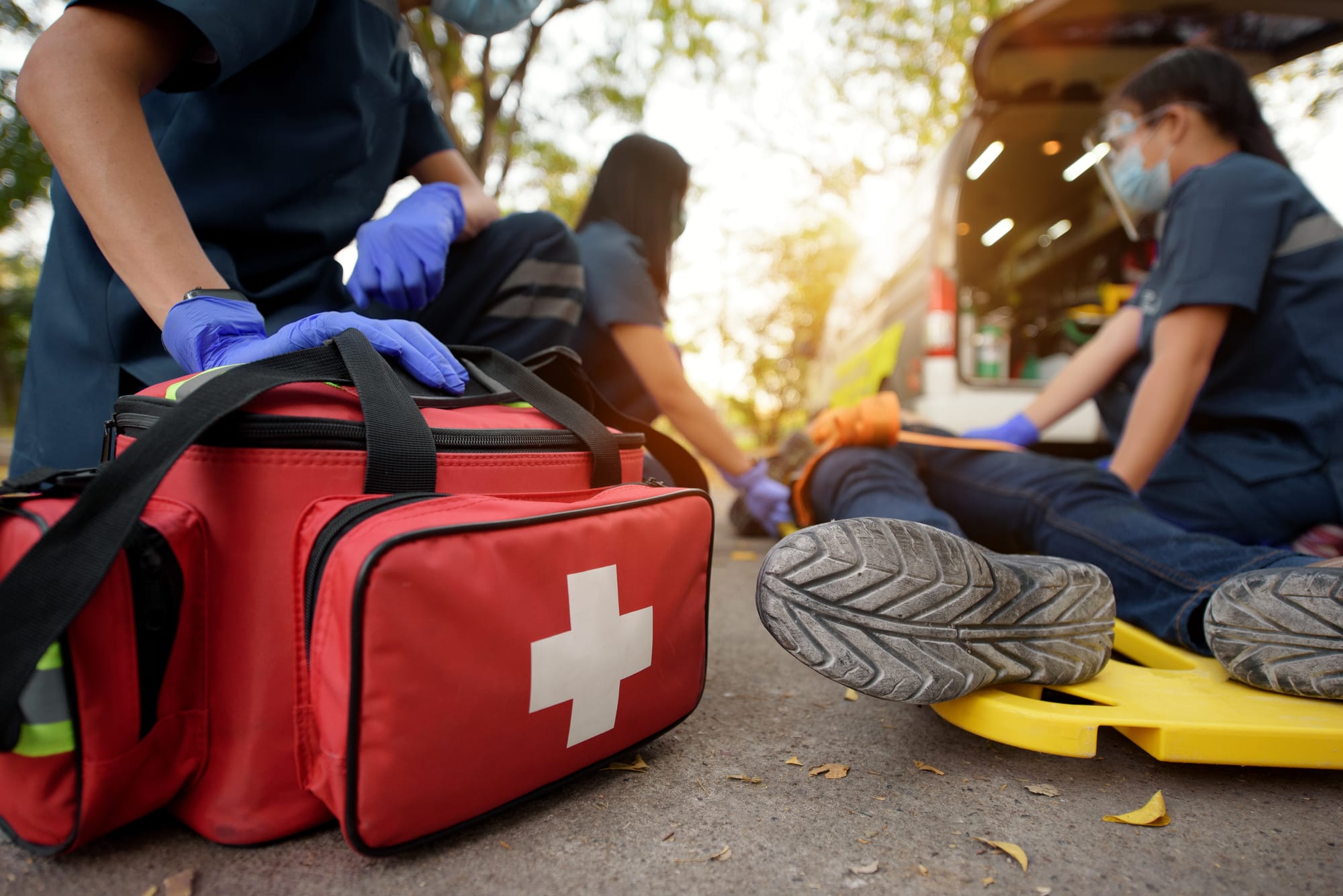
First aid isn’t about simple procedures that a bystander would do, or not being fancy. It is about saving lives and being safe. Did you know that learning first aid could increase the chances of survival by 55%? Therefore, first aid is definitely important. If everyone learns first aid, then emergencies won’t be as hard to deal with, everyone can help and the world would be much more safe.
1. CPR
CPR stands for cardiopulmonary resuscitation. Your goal is to get the heart to start beating again and to make sure that the casualty can breathe again. When a person’s heart stops or they cannot breathe, you should begin.
Symptoms:
Chest pain
Dizziness
Difficulty breathing
No pulse
No response
First, make sure the casualty can breathe, so open the airway using the head tilt technique.
1. Place one hand on the forehead, then gently tilt his head back.
2. With one hand still tilting his head, use the other hand to gently lift his chin.
3. See if the casualty is breathing. if breathing, place in the recovery position(scroll down). If not, call for an AED. Do not leave the casualty unattended.
4. Begin CPR. Place hand in the centre of the casualty’s chest. Don’t press on the ribs.
5. Interlock fingers on both hands, lean over the casualty and press straight down onto the casualty. Press down up to 5-6cm, allow the chest to come up again before doing it again.
6. Compress the chest 30 times at a rate of 100-120 compressions per minute.
7. Make sure the airway is still open.
8. Preform one rescue breath. Blow into the casualty’s mouth until the chest rises. If it doesn’t rise, try opening the airway again. 1 breath takes 1 second.
9. Continue 30 chest compressions then 2 rescue breaths. Stop if the casualty shows signs of becoming responsive, like coughing, opening eyes, speaking or moving.
2. Recovery position
1. Place nearest arm at right angles, elbow bent and palm facing upwards.
2. Place other arm under cheek, then turn whole body.
3. Move top leg down in a right angle, but the lower leg must be straight.
3. AED
1. Try to call a helper to fetch an AED. An AED could help make the heart beat again, but you must be careful because it is an electronic instrument.
2. Put the 2 pads on the area that the AED tells you to. Most likely the chest and side.
3. The AED has instructions, so read thoroughly and follow them.
4. The AED most likely has voice instructions, and it will advise you to stand back when it delivers the shock.
5. It will ask you questions for the assessment of the casualty, so answer properly.
4. Choking
1. See if the casualty can get the obstruction out by coughing.
2. If not, do back blows. Shape your hand in a cup like shown below. Then, hit their back around the area in between their two shoulder blades.
3. If back blows do not work, do heimlich maneuvers. Make a fist with your hand and hold the casualty like so, then place your fist right below the sternum. Make a inward and upward motion with your fist.